
At Echo Place Cannabis Store, this service helps recreational cannabis customers explore how cannabis may fit into a healthier nighttime routine by focusing on sleep challenges such as difficulty falling asleep, staying asleep, or winding down after a busy day. The goal is not medical treatment, but informed product selection and responsible use guidance based on how different cannabis formats and cannabinoid profiles can influence relaxation and sleep patterns, so you can shop with confidence and make choices that better support restful nights.
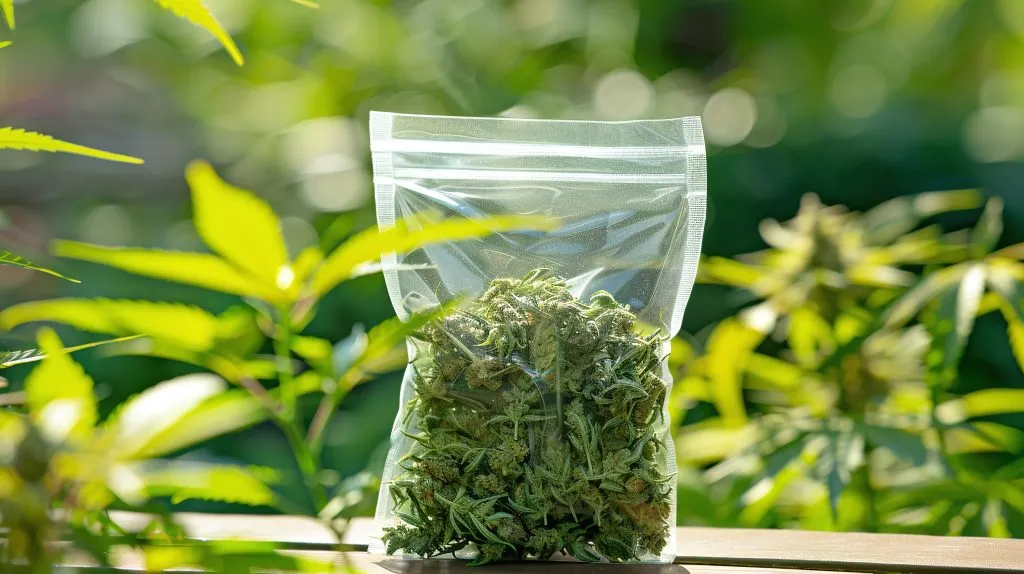
This service begins with a conversation about your sleep habits, prior cannabis experience, and preferences for formats such as flower, pre-rolls, oils, capsules, edibles, or beverages. Staff explain onset times, duration, and potential effects using plain language, while referencing general industry knowledge about cannabinoids and terpenes. Guidance focuses on legal recreational products, responsible dosing principles, and timing strategies, without making medical claims or diagnoses.
Sleep issues are common among adults, and many recreational consumers are curious about cannabis as a tool for relaxation or nighttime use. Without clear information, people often experiment on their own, which can lead to inconsistent results or unwanted effects. This section explains why sleep problems arise, how cannabis interacts with sleep mechanisms, and what risks to be aware of when choosing products for evening use.
Stress, irregular schedules, screen exposure, and stimulant use can keep the nervous system in an alert state, making it harder to transition into sleep. Cannabis products with certain terpene and cannabinoid profiles may promote relaxation, but choosing the wrong type or dose can increase mental stimulation instead of calming it.
THC, CBD, and other cannabinoids interact with the body’s endocannabinoid system, which plays a role in regulating mood and sleep-wake rhythms. While some users report faster sleep onset, higher THC levels may reduce REM sleep or cause grogginess the next day, making informed selection important.
Edibles, beverages, and inhaled products all have different onset times and durations. Using too much or consuming too late in the evening can lead to delayed effects, interrupted sleep, or next-day impairment, especially for newer or occasional users.
Many people assume any cannabis product will help with sleep, but strains, formats, and individual tolerance vary widely. Treating cannabis as a one-size-fits-all solution can result in disappointment or side effects rather than better rest.
Working with knowledgeable staff allows customers to understand how different product categories, cannabinoid ratios, and consumption methods may align with their sleep goals. The outcome is a more predictable experience, reduced trial-and-error spending, and greater confidence in using cannabis responsibly as part of an evening wind-down routine.
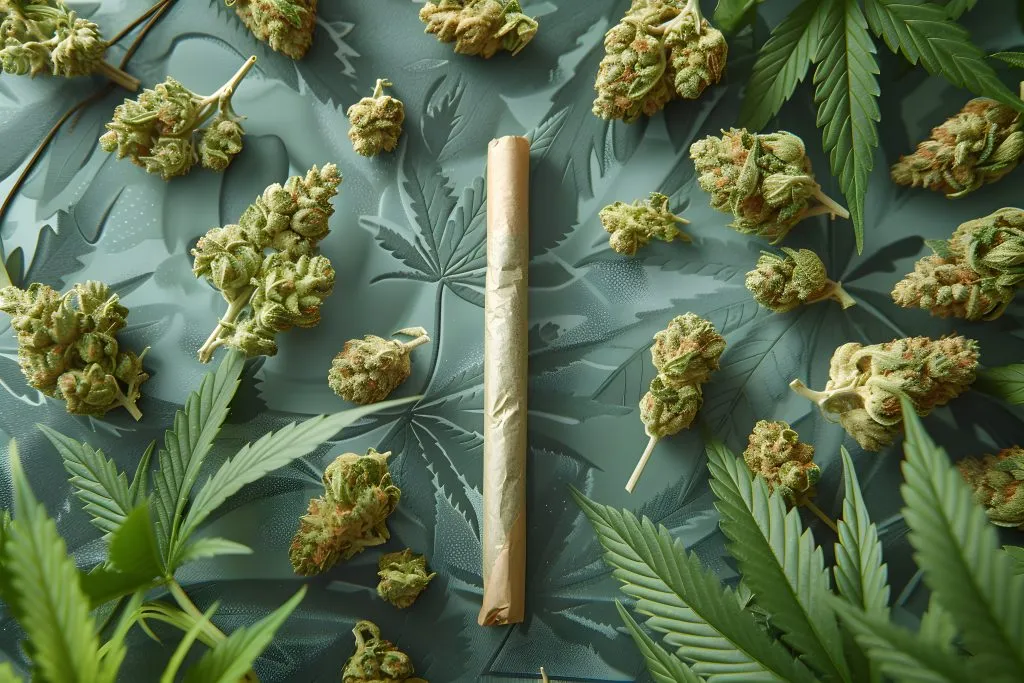
Onset depends on the format, with inhaled products acting within minutes and edibles or oils taking longer, sometimes one to two hours. Understanding this timing helps prevent overconsumption and supports better sleep planning.
Yes, the guidance is especially helpful for newer users because it emphasizes low-and-slow dosing, realistic expectations, and product education rather than assumptions about tolerance or experience.
Cannabis is best viewed as one part of a broader sleep routine that includes good sleep hygiene, consistent schedules, and stress management. It is not positioned as a cure for sleep disorders.
Customers often ask about cost, safety, and what to expect after purchase. Prices vary by product type and brand, and staff can explain value differences without pressure to upsell. You should expect education, not medical advice, and it is important to plan for adequate sleep time and avoid driving or safety-sensitive tasks after use.