
For recreational cannabis customers in Terrace Hill who want to balance enjoyment with focus, this service helps you understand how different cannabis products may interact with study routines, attention, and memory, so you can make informed, responsible choices at Ganja Garden Cannabis Store and study with confidence; speak with our team to explore options that fit your goals.
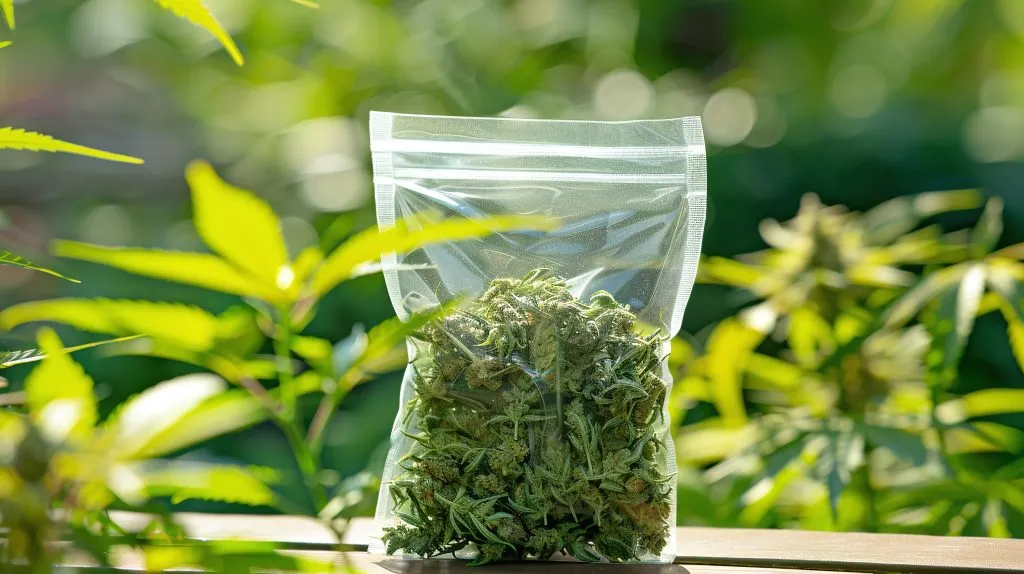
The process begins with a conversation about your study habits, tolerance, and preferences, followed by education on product types, cannabinoid profiles, and onset times using standard retail knowledge and Health Canada labelling information. Staff explain how to read THC and CBD percentages, understand terpene descriptions without overpromising effects, and choose formats that match your schedule, while emphasizing responsible use and personal observation rather than one-size-fits-all outcomes.
People often look for advice on cannabis and studying because the effects of cannabinoids vary widely by product, dose, and timing, and misinformation can lead to poor experiences that interfere with learning. Understanding realistic mechanisms, such as how THC can affect short-term memory or how CBD may feel less impairing for some users, helps recreational customers decide when and how cannabis fits into their study habits.
One common issue is uncertainty about how cannabis may affect concentration, recall, and motivation during study sessions. THC is known to influence attention and working memory, which can be helpful for relaxation but disruptive when trying to absorb new information, especially without clear expectations.
Without guidance, customers may consume too much too quickly, particularly with edibles or high-potency flower, leading to delayed onset effects that peak during study time. This can result in fatigue, anxiety, or distraction that undermines productivity.
The wide range of strains, formats, and cannabinoid ratios can be overwhelming. Recreational users may not know how differences between dried flower, pre-rolls, vapes, or ingestibles translate into duration, intensity, and suitability for studying versus relaxation.
Studying often overlaps with shared spaces or schedules that require discretion and compliance with local regulations. Misunderstanding legal use, storage, or timing can create unnecessary stress or conflicts that distract from learning.
By approaching cannabis and studying with accurate information and realistic expectations, customers can better align product choice and timing with their personal routines, reducing negative surprises and supporting a more controlled, enjoyable experience that does not derail study plans.

There is no universal amount, but issues often arise when customers underestimate potency or onset time. Starting low, especially with new products, and allowing sufficient time to assess effects before studying helps reduce the risk of impaired focus.
Many recreational users report preferring lower-THC options or products with balanced cannabinoid profiles for lighter effects, but responses vary. Understanding format, dose, and timing is more reliable than relying on strain names alone.
Staff can explain mechanisms, product differences, and responsible use principles, but they cannot predict individual outcomes. The goal is to support informed decision-making rather than make guarantees.
Customers often worry about cost, effectiveness, or whether guidance is worth it compared to experimenting alone. This service focuses on education rather than upselling, helping recreational users avoid common pitfalls, manage expectations, and make safer choices that fit their study schedules and personal preferences.