
For recreational cannabis customers in Hero H1 who want subtle, predictable effects without feeling overwhelmed, this service focuses on understanding how very small, controlled amounts of cannabis can fit into everyday routines. It addresses common frustrations like overconsumption, inconsistent experiences, and unwanted side effects, while highlighting how thoughtful product selection and informed guidance can support calm, clarity, and enjoyment. If you are curious about getting more out of cannabis with less, this is an inviting place to start the conversation.
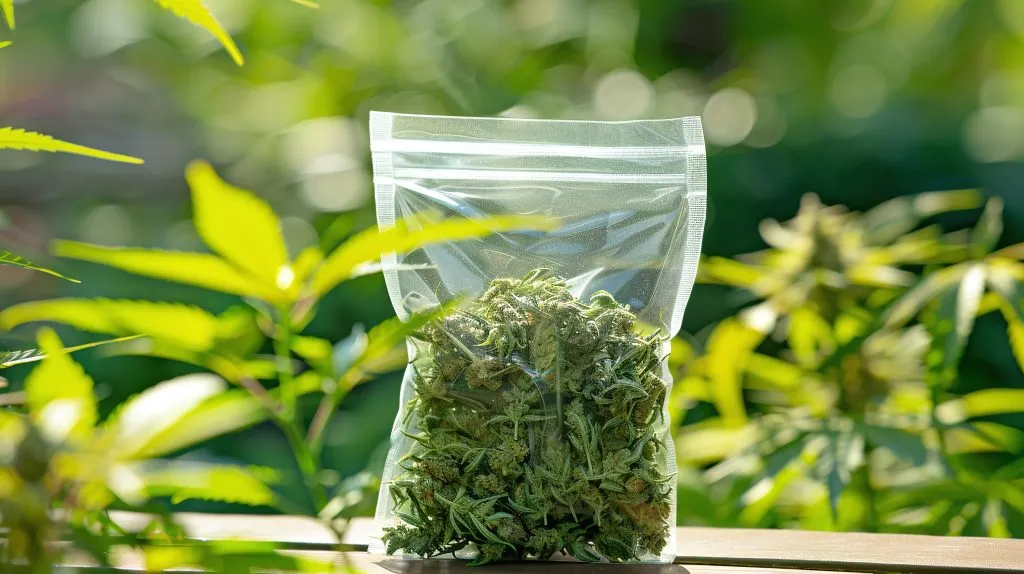
This service focuses on education and practical decision-making rather than one-size-fits-all recommendations. It begins with discussing past cannabis experiences, tolerance, and desired effects, then exploring suitable product formats such as low-THC flower, balanced THC:CBD options, or precisely dosed edibles. Attention is given to onset time, duration, and spacing between doses, using commonly accepted retail labelling standards and consumption guidelines in Canada. The goal is to help customers understand how to start low, go slow, and observe effects in a structured, realistic way.
Microdosing cannabis appeals to many recreational users, but it also comes with real challenges. Without clear guidance, small differences in dose, product format, or timing can lead to results that feel confusing or disappointing. Understanding the underlying issues helps explain why this approach requires more intention than simply using less.
Cannabis products vary widely in THC and CBD concentration, even within the same category. Flower, edibles, beverages, and concentrates are absorbed differently by the body, and small label differences can translate into noticeable changes when using very low amounts. Without understanding potency and bioavailability, people often misjudge what a “micro” amount actually is.
Even when aiming for subtle effects, stacking doses too closely together or choosing slow-onset formats like edibles can lead to stronger effects than intended. Because the body processes cannabinoids over time, impatience is a common cause of discomfort, anxiety, or grogginess, especially for newer or occasional users.
Many recreational users approach microdosing without defining what they want from the experience, such as mild relaxation, creativity, or social ease. Without a clear intention, it becomes harder to assess whether a product or dose is working, which can lead to unnecessary trial and error.
Trying to figure everything out alone often means relying on anecdotes or online advice that may not apply to your tolerance or lifestyle. This can result in wasted products, inconsistent enjoyment, and uncertainty about whether microdosing is even worth pursuing.
One of the key outcomes of a guided microdosing approach is achieving noticeable yet gentle effects while using less product overall. By aligning product type, cannabinoid profile, and timing with personal preferences, recreational users often report more consistent enjoyment, fewer unwanted side effects, and a stronger sense of confidence in their choices.

The timeline depends largely on the product format. Inhaled products may produce subtle effects within minutes, while edibles and beverages can take one to two hours. Understanding these timelines is essential to avoid adding more too soon.
Microdosing is not about feeling nothing; it is about experiencing gentle, functional effects rather than intensity. Many people describe a slight lift in mood, relaxation, or focus that feels integrated into normal activities.
Yes, even experienced users may benefit, especially if they want more clarity and control. Tolerance does not eliminate the usefulness of low-dose strategies, but it does influence where a microdose begins.
People often wonder about cost, preparation, and whether special products are required. In practice, microdosing does not necessarily cost more, as smaller amounts are used over time. No special equipment is required, but accurately labelled products and patience are important. Most importantly, it helps to approach microdosing as a learning process, paying attention to how your body responds and adjusting gradually.