
Find the right rolling papers for your preferred smoke at our Eastwood location, where recreational cannabis customers can compare materials, sizes, and burn characteristics in one place and get straightforward guidance that helps avoid harsh burns, wasted flower, or frustrating rolls, making it easier to enjoy a consistent session and choose with confidence.
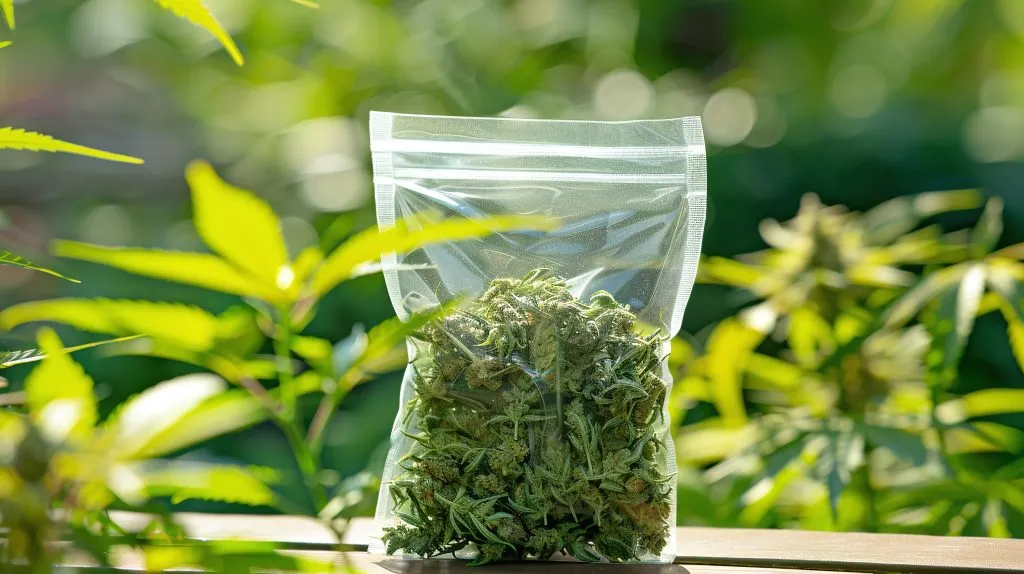
At the store, the process starts by considering how you smoke, including grind consistency, moisture level, and session length. Staff can explain differences between hemp, rice, and blended papers, clarify sizing options like single wide versus king size, and discuss burn characteristics without upselling. Products are sourced from established accessory manufacturers and stored in controlled conditions to maintain freshness and gum integrity, aligning with Canadian retail handling expectations.
Rolling papers are not interchangeable accessories; they directly affect burn speed, flavour expression, ash quality, and how evenly cannabis combusts. Many common issues like canoeing, paper taste, or constant relighting stem from a mismatch between paper material, thickness, and the grind or moisture of the flower being used. Understanding these causes helps recreational users avoid unnecessary frustration and get more predictable results from the same cannabis.
Hemp, rice, and wood pulp papers burn at different rates and introduce varying levels of taste. Thicker wood pulp papers tend to burn slower but can mute flavour, while ultra-thin rice papers burn cleanly but go out easily if the roll is loose. Choosing without understanding these mechanisms often leads to uneven burns or wasted product.
Using the wrong paper size for a personal or shared session can restrict airflow or leave excess paper, both of which disrupt combustion. Slim papers can choke a dense roll, while oversized papers encourage overpacking, increasing the risk of canoeing and harsh draws.
Unbleached, additive-free papers are generally preferred because they reduce the chance of inhaling unwanted residues. Cheap or poorly stored papers may contain excess chalk, burn accelerants, or stale fibres that affect taste and ash quality.
Papers exposed to humidity or heat can warp or lose gum adhesion, leading to runs or constant relighting. Buying from a cannabis retailer that stores accessories properly helps prevent these avoidable issues.
When rolling papers are matched to your cannabis and smoking style, you get a more even burn, clearer flavour, and fewer relights, which means less wasted flower and a smoother session overall. Working with knowledgeable staff allows recreational users to compare options hands-on, understand trade-offs between materials and thickness, and leave with papers that suit solo use, sharing, or outdoor conditions.

Customers often ask how to choose between materials, what size works best for their usual amount, and whether pricier papers make a real difference. Clear explanations help separate marketing claims from practical performance factors.
Yes, paper material and thickness can subtly influence flavour. Thinner papers with fewer additives tend to let more of the strain’s natural profile come through, while thicker papers may add a paper note or slow flavour release.
Higher-priced papers often use finer fibres, more consistent thickness, and cleaner gum lines, which can result in a smoother burn and easier roll. Whether they are worth it depends on how sensitive you are to burn quality and taste.
You can, but results vary. Drier or finely ground flower may perform better with slightly thicker papers, while sticky, fresh cannabis often pairs well with ultra-thin options that burn cleanly.